

Visiting the dentist can be an anxiety-inducing experience for anyone, especially children. However, pediatric dentists specialize in providing dental care tailored to the unique needs of young patients. By creating a positive and nurturing environment, pediatric dentists play a crucial role in shaping children’s attitudes towards oral health and dental visits. In this article, we will explore how pediatric dentists make a significant difference in creating a positive dental experience for children. From their specialized training to child-friendly practices, we will delve into the strategies and techniques employed by pediatric dentists to ensure children receive the care they need while feeling comfortable and at ease.
Specialized Training in Pediatric Dentistry
Pediatric dentists undergo extensive training beyond dental school to become experts in providing oral healthcare to infants, children, adolescents, and individuals with special needs. This specialized training equips them with the knowledge and skills necessary to understand the unique development and oral health needs of children at different stages of growth. By keeping up with the latest research and techniques in pediatric dentistry, these professionals stay at the forefront of their field, ensuring the best possible care for young patients.
Child-Friendly Dental Practices
Creating a child-friendly environment is key to ensuring a positive dental experience for children. Pediatric dental offices are designed to be welcoming, colorful, and engaging, featuring a variety of toys, games, and distractions that help alleviate anxiety and keep children entertained while waiting for their appointment. The waiting areas often include books and educational materials about oral hygiene, promoting early dental education.
Pediatric dentists and their staff are trained in communication techniques that are age-appropriate and aimed at gaining a child’s trust. They use simple, non-threatening language to explain dental procedures and equipment, ensuring that children understand what to expect. By establishing a friendly and comforting rapport, pediatric dentists build a foundation of trust with their young patients, helping to alleviate fear and anxiety.
Behavior Management and Sedation Techniques
Managing children’s behavior during dental visits can be challenging, especially for those who are fearful or have had negative experiences in the past. Pediatric dentists employ a range of behavior management techniques to create a positive and cooperative atmosphere. These techniques may include positive reinforcement, distraction techniques, and the use of tell-show-do methods, where the child is first told what will happen, then shown the instruments, and finally, the procedure is performed.
For children who require extensive dental work or have severe dental anxiety, pediatric dentists may utilize sedation techniques to ensure their comfort and safety. Sedation options can range from nitrous oxide (laughing gas) to oral conscious sedation or even general anesthesia, depending on the child’s needs and the complexity of the procedure. Pediatric dentists carefully evaluate each case and discuss sedation options with parents to determine the best course of action.
Early Intervention and Preventive Care
Pediatric dentists emphasize the importance of early intervention and preventive care to maintain optimal oral health in children. They provide regular check-ups, cleanings, and fluoride treatments to prevent tooth decay and identify any potential dental issues at their earliest stages. Early intervention can help avoid more complex and invasive treatments down the road.
Additionally, pediatric dentists play a crucial role in educating parents and children about oral hygiene practices. They demonstrate proper brushing and flossing techniques, provide guidance on age-appropriate dental care products, and offer dietary advice to minimize the risk of tooth decay. By instilling good oral hygiene habits from an early age, pediatric dentists empower children to take control of their oral health and lay the foundation for a lifetime of healthy smiles.

Dental Anxiety Management
Dental anxiety is a common issue among children, which can hinder their willingness to seek dental care. Pediatric dentists are trained to handle dental anxiety and create a supportive environment for anxious children. They employ various techniques such as positive reinforcement, gentle approach, and distraction methods to help alleviate fear and build trust. By addressing dental anxiety effectively, pediatric dentists ensure that children feel safe and comfortable during their visits, paving the way for a positive dental experience.
Child-Centered Approach
Pediatric dentists understand that children have unique needs and concerns when it comes to dental care. They adopt a child-centered approach, focusing on the individual needs and preferences of each child. By actively listening to children and involving them in their oral healthcare decisions, pediatric dentists empower young patients, fostering a sense of ownership and cooperation. This approach helps children feel valued and respected, making dental visits a collaborative and positive experience.
Specialized Services for Children with Special Needs
Children with special needs often require specialized dental care. Pediatric dentists have the expertise and training to cater to the specific needs of these children. They create a supportive and accommodating environment, adapting dental procedures and techniques to ensure the comfort and safety of children with special needs. By providing gentle and patient care, pediatric dentists help children with disabilities maintain optimal oral health and improve their overall quality of life.
Long-Term Relationship and Continuity of Care
One of the significant advantages of pediatric dentistry is the establishment of a long-term relationship between the dentist, the child, and their family. Pediatric dentists follow the dental health journey of their young patients from infancy through adolescence and into adulthood. This continuity of care allows dentists to monitor oral development, address concerns promptly, and track the child’s progress over time. The familiarity and trust built between the dentist and the child contribute to a positive dental experience and encourage regular dental visits throughout their lives.
Key Takeaways for Positive Pediatric Dental Experiences
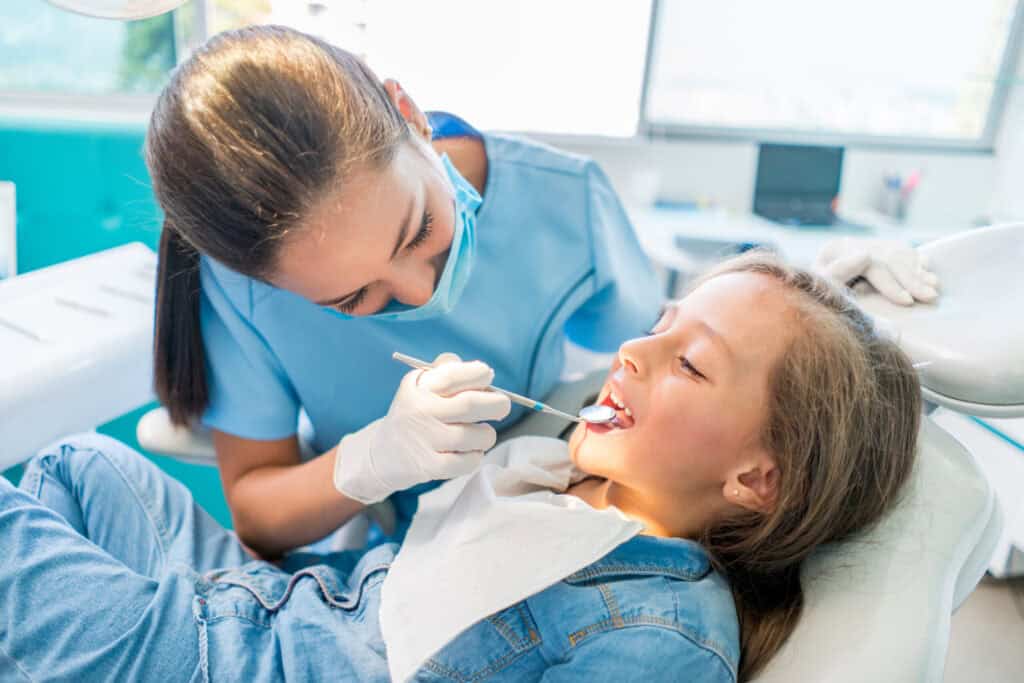
Pediatric dentists help children feel more comfortable during dental visits by combining specialized training, child-friendly communication, preventive care, and behavior support. Their approach can make dental care feel less scary for young patients while helping parents understand brushing, flossing, diet, fluoride, sealants, and treatment options. A positive experience with a pediatric dentist can help children build trust, reduce dental anxiety, and develop healthier oral care habits that continue as they grow.
- Pediatric dentists receive extra training focused on infants, children, teens, and children with special health care needs.
- Child-friendly dental offices can reduce fear through welcoming spaces, simple explanations, and patient-centered care.
- Behavior management techniques can help anxious children feel calmer during exams and treatment.
- Preventive visits help catch dental concerns early before they become more painful or complex.
- Long-term care with the same pediatric dentist can build trust and make future visits easier.
Frequently Asked Questions About Pediatric Dentists and Positive Dental Visits
Why are pediatric dentists helpful for anxious children?
Pediatric dentists are trained to work with children who feel nervous, scared, or unsure during dental visits. They often use calm explanations, positive reinforcement, distraction, and a gentle pace to help children feel safer.
When should a child start seeing a pediatric dentist?
Many dental experts recommend that children have their first dental visit by age 1 or soon after the first tooth appears. Early visits help parents learn how to care for baby teeth and prevent early tooth decay.
Can pediatric dentists help children with special needs?
Pediatric dentists can adapt care for children with special health care needs, sensory concerns, developmental differences, or medical conditions. They may adjust communication, appointment pacing, positioning, and treatment planning to support comfort and safety.
What happens during a child-friendly dental visit?
A child-friendly visit may include a gentle exam, tooth cleaning, brushing guidance, fluoride discussion, cavity check, and age-appropriate explanations. The goal is to help the child understand dental care without feeling overwhelmed.
How can parents support a positive dental experience?
Parents can use calm language, avoid scary descriptions, keep regular appointments, and practice brushing routines at home. Bringing comfort items, asking questions, and choosing a pediatric dentist with experience in child-centered care can also help.
- About the Author
- Latest Posts

Dr. Jason Parker, a distinguished dentist based in New Orleans, was honored with the New Dentist Award by the Louisiana Dental Association in 2008 for his contributions to both the dental profession and the community. With a background in biology and business administration, Dr. Parker has been in private practice since 2001 and specializes in pediatric dentistry