
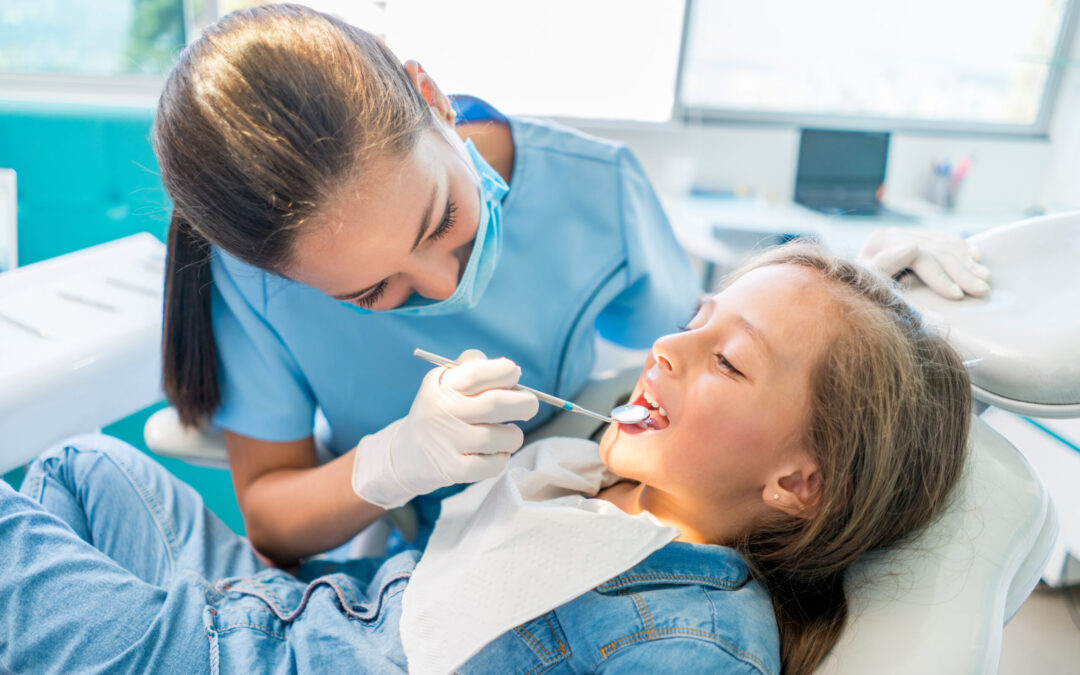
A pediatric dentist is a dentist who specializes in treating children. They have special training that allows them to work with young patients. Pediatric dentistry uses different techniques and tools that help them to care for children’s teeth. This is important because kids are naturally curious about the world around them. They are also easily distracted and may not always listen to their parents. Getting children to the dentist early establishes good oral habits and encourages dental care for years to come. this article explains how a pediatric dentist can help your child.
Establish Good Habits
Establishing good habits early can help children see dental care as a normal part of everyday life instead of something to fear. Regular visits give children a chance to learn brushing, flossing, and healthy snack habits in a setting built for their age and comfort level. The American Dental Association explains that parents should start cleaning a baby’s mouth during the first few days after birth by wiping the gums with a clean, moist gauze pad or washcloth. Pediatric dentists can also show children proper brushing motions, help parents support home routines, and make dental visits feel more familiar over time.
- Begin oral care routines early so children become comfortable with daily dental habits.
- Let children watch parents brush and floss because children often copy family routines.
- Ask a pediatric dentist for age-appropriate brushing, flossing, and toothpaste guidance.
Prevent Tooth Decay
Preventing tooth decay starts with early dental visits, steady brushing, healthy food choices, and guidance from a pediatric dental team. Cavities may not cause obvious pain at first, so regular exams can help detect problems before they become more serious. The CDC explains that dental sealants protect the chewing surfaces of back teeth where most cavities in children occur. Pediatric dentists can also discuss fluoride, X-rays when needed, diet habits, and cleaning techniques that lower the risk of tooth decay.
- Schedule regular exams so cavities can be found before they cause major discomfort.
- Limit frequent sugary snacks and drinks that can feed cavity-causing bacteria.
- Ask about sealants, fluoride, and brushing techniques that support cavity prevention.
Breaking Bad Habits
Breaking oral habits can protect a child’s teeth, bite, and jaw development as they grow. Thumb sucking, teeth grinding, chewing on objects, and using teeth as tools may seem harmless at first, but these habits can affect tooth alignment or cause wear over time. The NIH MedlinePlus explains that thumb sucking after permanent teeth come in can cause dental problems. A pediatric dentist can help parents understand which habits are age-appropriate, which habits need attention, and how to guide children away from patterns that may harm their teeth.
- Watch for thumb sucking, teeth grinding, nail biting, or chewing on hard objects.
- Use calm reminders instead of shame when helping children change habits.
- Talk with a pediatric dentist if a habit affects tooth position, jaw comfort, or enamel wear.
Long-Term Value of Pediatric Dental Care
Long-term pediatric dental care supports children from the first baby teeth through the arrival of permanent teeth. Even though baby teeth eventually fall out, they still help children chew, speak, smile, and hold space for adult teeth. The National Institute of Dental and Craniofacial Research explains that children’s oral health includes caring for baby teeth, permanent teeth, gums, and normal mouth development. Consistent visits help families build healthier routines while giving children the support they need for strong teeth and better confidence at the dentist.
- Baby teeth still need care because they support eating, speech, and spacing.
- Regular visits help monitor tooth eruption, bite changes, and cavity risk.
- Early dental routines can support healthier habits into adolescence and adulthood.

Key Takeaways for How a Pediatric Dentist Can Help Your Child
A pediatric dentist helps children build stronger oral health habits through early education, preventive care, and age-appropriate guidance. Regular visits can make dental care feel familiar while giving parents support with brushing, flossing, diet, fluoride, sealants, and oral habits. Pediatric dental care also helps protect baby teeth, monitor permanent tooth development, and reduce the risk of small problems becoming painful concerns.
- A pediatric dentist can help children feel more comfortable with dental visits.
- Early dental care teaches brushing, flossing, and healthy snack habits.
- Preventive visits can help find cavities before they become painful.
- Pediatric dentists can guide parents through thumb sucking, teeth grinding, and other habits.
- Baby teeth need care because they support chewing, speech, spacing, and future tooth development.
Frequently Asked Questions About Pediatric Dentists
Why should a child see a pediatric dentist?
A child should see a pediatric dentist because children have different dental needs than adults. Pediatric dentists understand baby teeth, permanent tooth development, cavity prevention, child behavior, and age-appropriate dental care.
When should dental habits begin at home?
Dental habits should begin before a child can brush alone. Parents can clean a baby’s gums, brush new teeth gently, help with flossing when teeth touch, and teach children that oral care is part of the daily routine.
How can pediatric dentists help prevent tooth decay?
Pediatric dentists can check for early cavities, clean hard-to-reach areas, recommend fluoride, discuss sealants, and explain how food and drink choices affect teeth. These steps can reduce the chance of painful decay.
Can a pediatric dentist help with thumb sucking or teeth grinding?
A pediatric dentist can evaluate whether habits such as thumb sucking, teeth grinding, nail biting, or chewing on objects are affecting the child’s teeth or bite. Parents can also receive practical guidance for changing those habits calmly.
Why do baby teeth need dental care if they fall out?
Baby teeth help children chew, speak, smile, and hold space for permanent teeth. Cavities or early tooth loss can cause pain, infection, and spacing concerns, so baby teeth still need regular care.
- About the Author
- Latest Posts

Dr. Jason Parker, a distinguished dentist based in New Orleans, was honored with the New Dentist Award by the Louisiana Dental Association in 2008 for his contributions to both the dental profession and the community. With a background in biology and business administration, Dr. Parker has been in private practice since 2001 and specializes in pediatric dentistry