
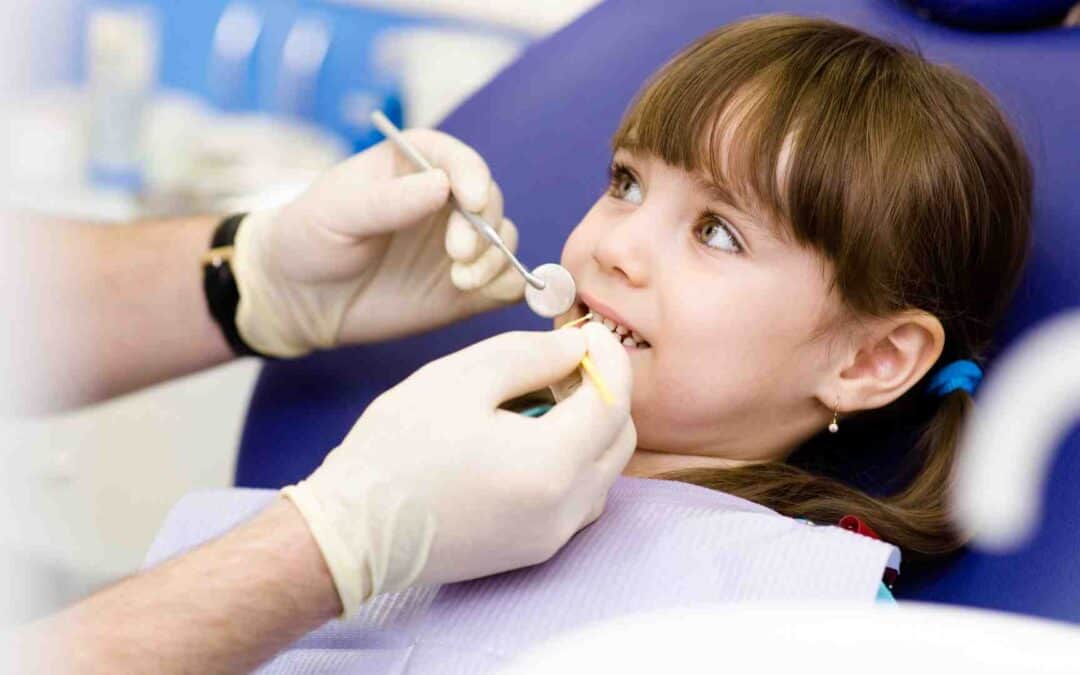
The importance of pediatric dentistry in the United States starts with the fact that children’s teeth, gums, jaws, and oral habits are still developing. Pediatric dentistry helps parents protect baby teeth, guide permanent teeth, prevent cavities, and make dental visits feel more familiar for children. A pediatric dentist can help families understand early dental visits, child-focused care, dental anxiety, cavity prevention, daily oral hygiene habits, and the steps that support a child’s long-term oral health.
- Pediatric dentistry helps protect baby teeth during early development.
- Children benefit from dental care that matches their age, behavior, and growth stage.
- Early visits can help parents understand brushing, diet, fluoride, and cavity risk.
Why Pediatric Dentistry Matters for Children
Pediatric dentistry matters because children are not just smaller adults sitting in a dental chair. A young child may feel scared by sounds, lights, tools, or unfamiliar instructions, and a pediatric dentist knows how to explain care in a way that feels less overwhelming. A simple example is a toddler visiting after the first tooth appears, where the appointment may focus more on parent education, tooth development, feeding habits, and brushing guidance than treatment. The American Academy of Pediatric Dentistry recommends a first dental visit by age 1 or within six months after the first tooth comes in.
- Early dental visits can help children become familiar with the dental setting.
- Parents can ask questions about teething, brushing, thumb sucking, and snacks.
- Pediatric dentists can check whether tooth growth is following a healthy pattern.

Specialized Care for Growing Mouths
Children’s mouths change quickly from infancy through adolescence, which is why pediatric dentistry focuses on growth as well as treatment. Baby teeth help children chew, speak, smile, and hold space for permanent teeth, so they need care even though they eventually fall out. The National Institute of Dental and Craniofacial Research explains that children’s oral health includes baby teeth, permanent teeth, gums, and normal mouth development. A pediatric dentist can monitor spacing, bite changes, enamel health, tooth eruption, and concerns that parents may not notice at home.
- Baby teeth help guide permanent teeth into better positions.
- Routine exams can track growth, spacing, and bite development.
- Pediatric dentistry supports oral health from the first tooth through the teen years.
Helping Children Feel Comfortable
Dental anxiety can begin early when children have painful experiences, confusing appointments, or fear of dental tools. Pediatric dentistry uses calm communication, child-friendly explanations, gentle pacing, and positive reinforcement to help children feel safer during visits. The National Institute of Mental Health explains that anxiety can cause feelings of fear, worry, and physical tension. A pediatric dentist can reduce stress by showing tools before using them, explaining each step, and giving children time to adjust.
- Child-friendly language can make dental care easier to understand.
- Positive dental visits can help children cooperate during future appointments.
- Parents can support calm visits by avoiding scary words before the appointment.
Preventing Cavities Early
Cavity prevention is one of the main reasons pediatric dentistry is so valuable for families. Cavities may start small, but untreated decay can cause pain, infection, trouble eating, and missed school time. The CDC reports that dental sealants prevent 80 percent of cavities for two years after being placed on the chewing surfaces of back teeth. Pediatric dentists can recommend fluoride, sealants, better brushing routines, and diet changes that lower a child’s risk of tooth decay.
- Sealants can protect molars where food and plaque often collect.
- Fluoride can help strengthen enamel against cavity-causing acids.
- Regular exams can catch small cavities before they become painful.

Teaching Better Home Habits
Home care shapes a child’s oral health every day, and pediatric dentistry gives parents practical guidance for building those habits. Young children often miss areas near the gumline, between teeth, and around back molars, so adult help matters longer than many families realize. The CDC recommends brushing twice a day with fluoride toothpaste. A pediatric dentist can explain toothpaste amounts, brushing angles, flossing timing, and ways to make oral care feel like a normal routine.
- Parents should help children brush until they can do it well on their own.
- Flossing becomes more useful once teeth begin touching each other.
- Water, tooth-friendly snacks, and fewer sugary drinks can support healthier teeth.
Guidance for Common Childhood Habits
Childhood habits can affect teeth, gums, jaw growth, and bite alignment over time. Thumb sucking, pacifier use, teeth grinding, nail biting, and chewing on hard objects may need guidance if they continue beyond certain ages or start changing tooth position. The NIH MedlinePlus explains that thumb sucking after permanent teeth come in can cause dental problems. Pediatric dentistry helps parents understand which habits are normal, which ones need monitoring, and which ones may require a plan.
- Thumb sucking may affect tooth position if it continues too long.
- Teeth grinding can cause wear, soreness, or jaw discomfort in some children.
- A pediatric dentist can suggest calm ways to redirect harmful oral habits.
Support for Dental Emergencies
Children run, climb, play sports, fall, and bump into things, so dental injuries can happen without warning. Pediatric dentistry helps families prepare for knocked-out teeth, cracked teeth, swollen gums, bleeding, mouth pain, and injuries to the lips or jaw. The American Dental Association says a knocked-out permanent tooth should be kept moist at all times and taken to a dentist as soon as possible. Parents should keep the pediatric dental office number saved and ask what steps to take during an urgent situation.
- Dental trauma should be checked quickly, especially when a permanent tooth is involved.
- Parents should avoid scrubbing a knocked-out tooth or letting it dry out.
- Swelling, fever, heavy bleeding, or severe pain may need urgent care.
Care That Includes Parents
Pediatric dentistry works best when parents and dental teams share information. Parents can explain brushing struggles, diet patterns, sleep habits, dental fears, medical history, and symptoms that the child may not describe clearly. The USDA Dietary Guidelines recommend limiting added sugars as part of a healthy eating pattern. A pediatric dentist can use that information to help families adjust snacks, drinks, brushing routines, and follow-up care in a realistic way.
- Parents can share concerns about pain, chewing, brushing, or tooth color changes.
- Dental teams can help families choose age-appropriate oral care products.
- Diet guidance can reduce frequent sugar exposure that contributes to cavities.
Long-Term Value of Pediatric Dentistry
Pediatric dentistry gives children a stronger foundation for oral health by combining prevention, early diagnosis, education, and comfort-focused care. Small concerns are easier to manage when they are found early, and children who trust their dentist may be more willing to keep regular visits as they grow. Healthy baby teeth support speech, chewing, spacing, and confidence, while healthy permanent teeth support lifelong function. Parents who begin dental care early give their children a better chance at building habits that last.
- Early care can reduce the chance of painful dental problems later.
- Consistent visits help children become more comfortable with dental care.
- Pediatric dentistry supports both present needs and future oral health.
Key Takeaways for the Importance of Pediatric Dentistry
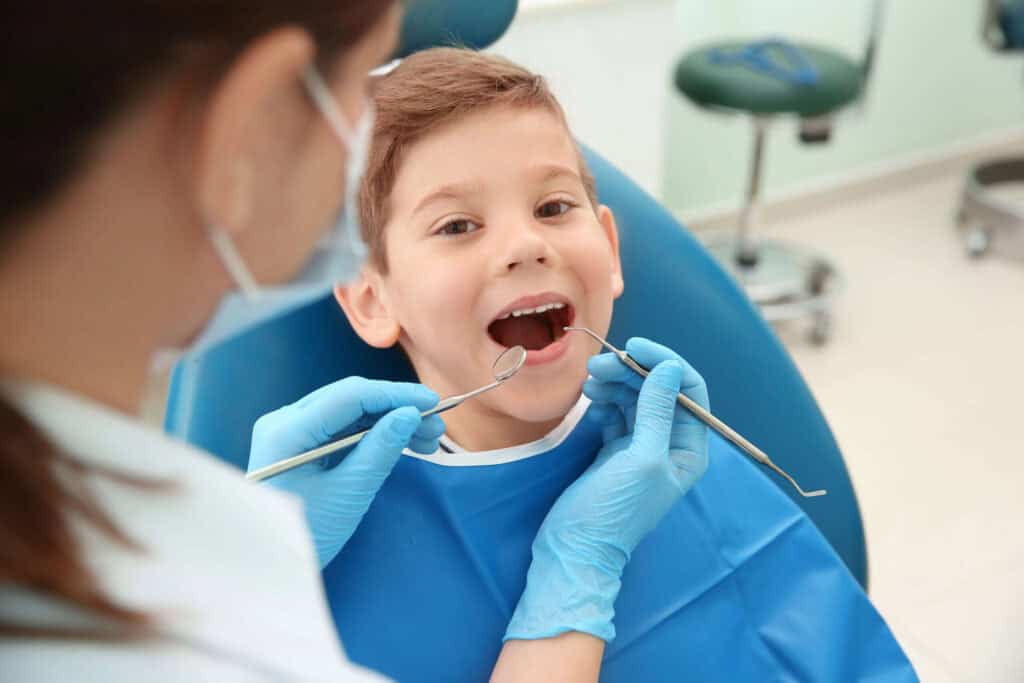
Pediatric dentistry is important because children need dental care that fits their age, development, behavior, and oral health risks. A pediatric dentist can help prevent cavities, monitor tooth growth, support better brushing habits, calm dental anxiety, and guide parents through common childhood concerns. Early visits also give families a chance to learn what is normal, what needs attention, and how to protect baby teeth before permanent teeth arrive.
- Pediatric dentistry should begin early, ideally by age 1 or soon after the first tooth appears.
- Baby teeth matter because they help with chewing, speech, spacing, and growth.
- Pediatric dentists can make visits less stressful through child-friendly care.
- Preventive services such as cleanings, fluoride, and sealants can reduce cavity risk.
- Parents play a major role in daily brushing, diet choices, and regular dental visits.
Frequently Asked Questions About Pediatric Dentistry
Why should children see a pediatric dentist instead of only a general dentist?
Children can see different types of dentists, but a pediatric dentist has extra training in child development, behavior guidance, baby teeth, permanent tooth growth, and children with special health care needs. That training can make dental visits easier for young patients and more helpful for parents.
When should the first pediatric dental visit happen?
The first visit should happen by age 1 or within six months after the first tooth appears. Early visits help parents learn how to clean baby teeth, prevent cavities, and understand normal tooth development.
Why do baby teeth need care if they fall out?
Baby teeth help children chew, speak, smile, and hold space for permanent teeth. Cavities in baby teeth can cause pain, infection, early tooth loss, and spacing problems.
Can pediatric dentistry help with dental anxiety?
Pediatric dentistry can help children feel calmer by using simple explanations, gentle techniques, positive reinforcement, and a child-centered pace. Early positive visits can make future appointments less stressful.
What can parents do between pediatric dental visits?
Parents can help children brush twice daily, floss when teeth touch, limit sugary snacks and drinks, encourage water, and watch for pain, swelling, sensitivity, or tooth color changes. Calling a pediatric dentist early can help prevent small concerns from becoming more serious.
- About the Author
- Latest Posts
Dr. Jason Parker, a distinguished dentist based in New Orleans, was honored with the New Dentist Award by the Louisiana Dental Association in 2008 for his contributions to both the dental profession and the community. With a background in biology and business administration, Dr. Parker has been in private practice since 2001 and specializes in pediatric dentistry