
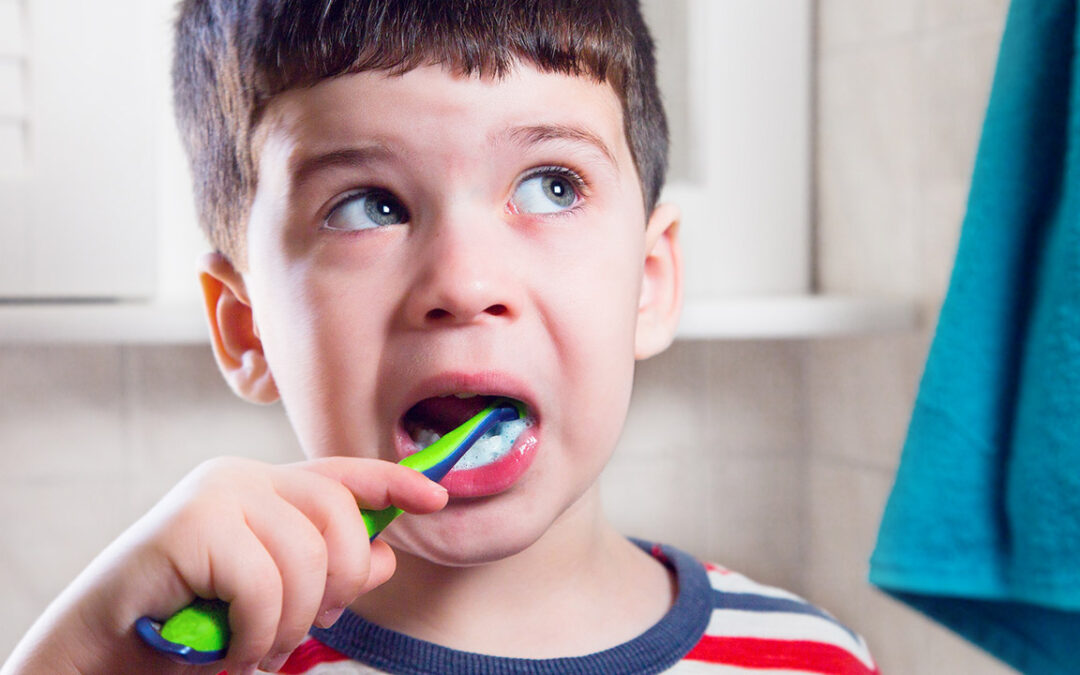
Pediatric dentistry helps children build healthy oral habits early, before small concerns turn into painful dental problems. The American Academy of Pediatric Dentistry recommends that children have their first dental visit by age one or within six months after the first tooth appears. A pediatric dentist can check tooth development, cavity risk, brushing routines, fluoride needs, and habits that may affect a child’s future oral health. The CDC reports that more than half of children ages 6 to 8 have had a cavity in at least one baby tooth.
- Early dental visits help parents understand how to care for baby teeth.
- Pediatric dentists can monitor growth, tooth eruption, and cavity risk.
- Preventive care can support healthier teeth as children move from baby teeth to permanent teeth.
1. Create Good Habits
Not only do regular visits to a pediatric dentist benefit your child’s oral health, but it teaches them healthy dental habits moving forward. Pediatric dentists specialize in making dentistry as fun and comfortable as possible to provide your child with a positive dental experience. This prevents them from developing dental anxiety and teaches them that dental care is a regular part of life. Therefore, once they are grown they will continue these patterns to maintain their own oral health.
2. Calmer Experience
Some children may be more cooperative than others when visiting the dentist. However all children, and their parents, want to avoid invasive dental procedures. Regular dental appointments ensure that potential problems are detected early-on so that they can be treated much easier ensuring a calmer experience. pediatric dentists have specialized training that allows them to create a positive dental experience for children. After dental school, pediatric dentists must complete additional child development classes, as well as classes working with special needs children. This allows them to communicate with children in an effective way that children understand and respond to. Their caring nature, colorful offices, and positive approach to dentistry will help prevent your child from developing dental anxiety.
3. Regular Teeth Cleanings
Since children, especially young children, are unable to adequately care for themselves, they may be unable to brush or floss well. Even with your help, there may be certain places that get missed. As a result, these places are more prone to tooth decay because plaque can accumulate. If plaque is not disturbed, it can become a breeding ground for thousands of bacteria and this is what ultimately results in the formation of a cavity. To prevent this from happening, a pediatric dentist will perform teeth cleanings twice a year to remove excess plaque and tartar, removing bacteria populations and reducing the risk of your child developing tooth decay in the first place.

Why Why Pediatric Dentistry Is So Important
Pediatric dentistry supports a child’s oral health by helping prevent cavities, monitoring tooth development, and teaching habits that can protect the teeth and gums over time. Regular visits can also help children become more comfortable with dental care, which may reduce fear and make future appointments easier. The National Institute of Dental and Craniofacial Research explains that children need help caring for baby teeth, permanent teeth, gums, and normal mouth development. Pediatric dentistry gives both children and parents guidance for healthier smiles through prevention, early treatment, and consistent home care.
Key Takeaways for Why Pediatric Dentistry Is So Important
Pediatric dentistry helps children build healthy habits, feel more comfortable during dental visits, and receive preventive care before small problems become painful. Early dental visits give parents guidance on brushing, flossing, fluoride, tooth eruption, cavity risk, and diet choices that affect oral health. A pediatric dentist can also monitor baby teeth and permanent teeth as children grow, which helps families catch concerns early and support healthier smiles over time.
- Children should begin dental care early so parents can learn how to protect baby teeth.
- Pediatric dentists help children develop brushing, flossing, and dental visit routines.
- Regular cleanings remove buildup that may be difficult for young children to clean at home.
- Early treatment can help reduce the need for more involved dental procedures later.
- Positive dental visits can help children feel calmer and more confident about oral care.
Frequently Asked Questions About Pediatric Dentistry
Why is pediatric dentistry important for young children?
Pediatric dentistry helps protect baby teeth, guide permanent tooth development, and teach children healthy oral care habits. It also helps parents understand brushing, diet, fluoride, and cavity prevention during each stage of growth.
When should a child first visit a pediatric dentist?
A child should visit a pediatric dentist by age one or within six months after the first tooth appears. Early visits help families prevent cavities and understand what is normal as baby teeth come in.
How can pediatric dentists help prevent dental anxiety?
Pediatric dentists use child-friendly language, calm explanations, gentle care, and positive reinforcement to make visits less intimidating. Regular early visits can help children see dental care as a normal part of life.
Why do children need regular teeth cleanings?
Children may miss areas while brushing and flossing, especially near the gumline and between teeth. Professional cleanings remove plaque and tartar buildup while giving the dentist a chance to check for cavities and development concerns.
Can pediatric dentistry help with permanent teeth?
Pediatric dentistry supports both baby teeth and permanent teeth. A pediatric dentist can monitor eruption timing, spacing, bite development, enamel health, and habits that may affect a child’s long-term oral health.
- About the Author
- Latest Posts
Dr. Jason Parker, a distinguished dentist based in New Orleans, was honored with the New Dentist Award by the Louisiana Dental Association in 2008 for his contributions to both the dental profession and the community. With a background in biology and business administration, Dr. Parker has been in private practice since 2001 and specializes in pediatric dentistry