
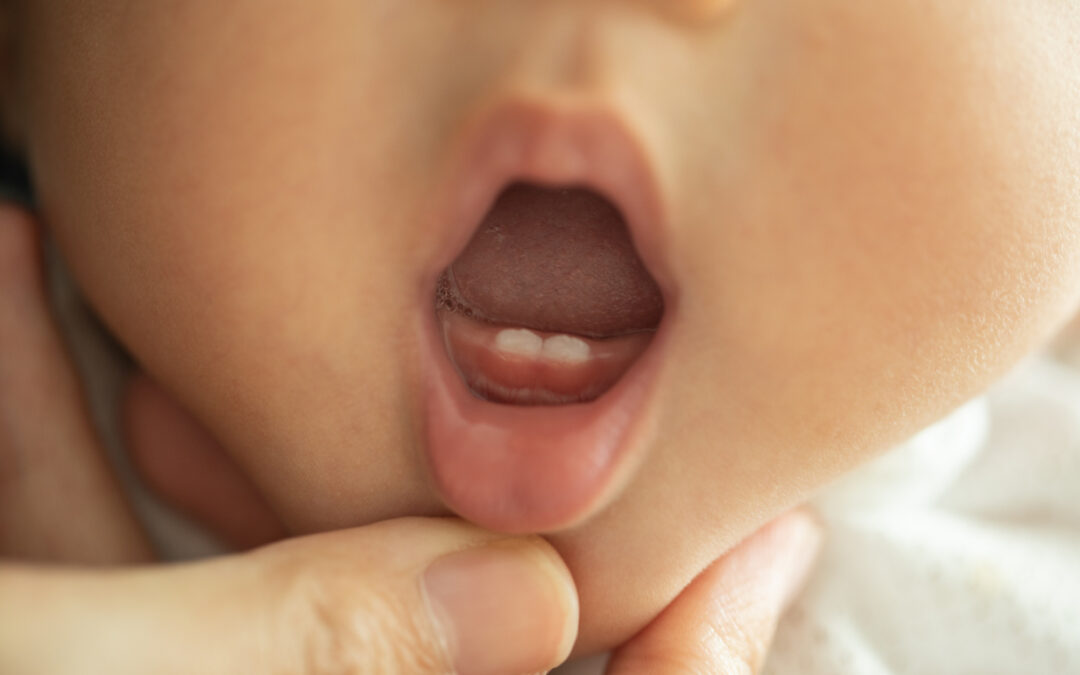
Parents want the best for their child’s health, and oral care is an important part of that foundation. Early dental visits can help children become familiar with the dental office, give parents guidance on brushing and feeding habits, and allow small concerns to be noticed before they become bigger problems. A pediatric dentist can check early tooth development, answer parent questions, and help make the first visit feel calm and age-appropriate. The CDC recommends using only a smear of toothpaste about the size of a grain of rice for children younger than age 3.
- Schedule the first visit early so the child can become familiar with dental care.
- Use calm, simple language when talking about the appointment.
- Ask about brushing, toothpaste amount, teething, feeding habits, and cavity prevention.
Introducing Your Child to the Dentist
Introducing a child to their dentist works best when parents use calm, positive, and simple language before the appointment. Words such as “needle,” “shot,” “drill,” “pull,” or “hurt” can create fear before the child even arrives, so it is better to explain that the dental team will count teeth, check the smile, and help keep the mouth healthy. The American Academy of Pediatric Dentistry describes tell-show-do as a behavior guidance technique that explains procedures, shows the child what will happen, and then completes the step. A positive first impression can help children feel safer and more willing to cooperate during future visits.
- Talk about the dentist in a calm and reassuring way before the visit.
- Use child-friendly words that explain care without creating fear.
- Let the dental team guide the child through each step using age-appropriate explanations.
Staying Involved
Parent involvement can help a child feel secure during the first dental visit. Many children relax when they know a parent is nearby, especially during the first exam or when the office is still unfamiliar. Future appointments may give the child a chance to build trust directly with the dental team. Parents can support this process by staying calm, following the team’s guidance, and encouraging the child without adding pressure.
- Stay nearby during the first visit if it helps the child feel more comfortable.
- Allow the dental team to build a friendly connection with the child.
- Use praise and patience to help the child feel proud after the appointment.

Building Confidence and Overcoming Apprehension
Building confidence starts with helping children understand that dental visits are part of staying healthy. A welcoming office, gentle communication, and a slower pace can make the experience feel less overwhelming for young patients. Dental teams can also use praise, distraction, simple explanations, and short breaks to help nervous children adjust. These small steps can help children develop trust and reduce dental apprehension over time.
- Choose calm explanations that match the child’s age and attention span.
- Encourage children to ask questions when they feel unsure.
- Use positive reinforcement to help children connect dental care with success.
Accompanying Your Child to the Treatment Room
Accompanying a child to the treatment room may be helpful for some families, especially during early visits. Some children feel more independent when they go with the dental team, while others feel safer with a parent nearby. The best choice depends on the child’s comfort level, the type of visit, and the dental team’s safety and privacy policies. Other children who are not being treated should stay supervised in the reception area so the appointment can remain focused and calm.
- Ask the dental team what works best for the child’s age and visit type.
- Support independence when the child feels ready to go with the staff.
- Keep siblings supervised outside the treatment area for safety and privacy.
Preparing for Your First Visit
Preparing for the first visit can make the appointment smoother for both the child and the parent. Completing patient forms ahead of time, bringing insurance details, sharing medical history, and arriving with a calm attitude can help reduce stress at check-in. Parents can also bring a comfort item if the dental office allows it, especially for younger children who may need extra reassurance. A well-prepared first visit can help set the tone for better dental habits and more confident future appointments.
- Complete new patient forms before the appointment when possible.
- Bring medical history, medication details, and insurance information.
- Use the first visit to ask about brushing, toothpaste, teething, diet, and future checkups.

Key Takeaways for a Child’s First Dental Visit
A child’s first dental visit can shape how they feel about dental care for years to come. Parents can make the experience smoother by using calm language, preparing paperwork ahead of time, staying involved when helpful, and allowing the dental team to guide the child through the appointment. A pediatric dentist can check early tooth development, answer questions about brushing and toothpaste, and help children build confidence in a new setting.
- Early dental visits help children become familiar with dental care before problems develop.
- Parents should use simple, positive words when explaining the dentist visit.
- Child-friendly communication can help reduce fear and build trust.
- Parent involvement should match the child’s age, comfort level, and appointment needs.
- Preparing forms, medical history, and questions ahead of time can make the visit easier.
Frequently Asked Questions About a Child’s First Dental Visit
When should a child have their first dental visit?
A child should usually have a first dental visit by age 1 or soon after the first tooth appears. Early visits help parents learn how to care for baby teeth and prevent early cavities.
How should parents talk about the dentist before the visit?
Parents should use calm, simple, and positive language. Words that sound scary can create fear, so it helps to say the dentist will count teeth, check the smile, and help keep the mouth healthy.
Should parents stay with their child during the first exam?
Many children feel more secure when a parent stays nearby during the first visit. Future appointments may allow the child to build more independence with the dental team, depending on their comfort level.
What should parents bring to the first dental appointment?
Parents should bring completed forms, insurance information, medical history, medication details, and any questions about brushing, teething, feeding, toothpaste, or future checkups.
How can a pediatric dentist help nervous children?
A pediatric dentist can use gentle explanations, a slower pace, positive reinforcement, and age-appropriate guidance to help nervous children feel more comfortable during dental care.
- About the Author
- Latest Posts

Dr. Jason Parker, a distinguished dentist based in New Orleans, was honored with the New Dentist Award by the Louisiana Dental Association in 2008 for his contributions to both the dental profession and the community. With a background in biology and business administration, Dr. Parker has been in private practice since 2001 and specializes in pediatric dentistry