
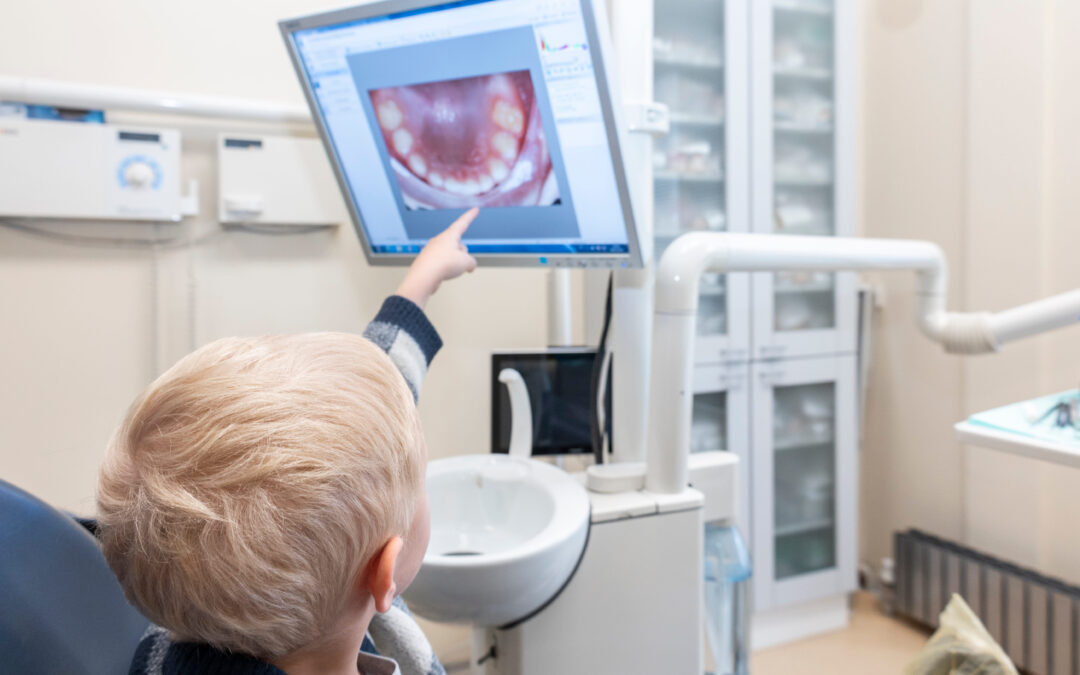
The importance of maintaining good oral health cannot be overstated, especially for children. Recognizing signs that your child needs to see a dentist is crucial for preventing and treating dental issues. Certain symptoms, such as severe tooth pain, swelling, dental trauma, bleeding, or signs of infection, may require prompt care from a pediatric dentist to protect a child’s oral health.
1. When Toothache Becomes a Daily Complaint
Persistent tooth pain should be taken seriously because children may not always explain where the pain is coming from or how long it has been happening. A toothache can be linked to decay, trapped food, eruption pain, injury, infection, or irritation around the gums. The American Dental Association explains that toothaches may be caused by cavities, abscesses, cracked teeth, damaged fillings, or other dental problems. A pediatric dentist can examine the area, identify the cause, and recommend treatment before the discomfort becomes harder for the child to manage.
- Track when the toothache happens, including meals, bedtime, or brushing.
- Check for swelling, fever, sensitivity, or trouble chewing.
- Schedule a pediatric dental visit when pain continues or keeps returning.
2. Seeing Red: The Alarm Bell of Bleeding Gums
Bleeding gums can happen when a child brushes too hard, uses a worn toothbrush, or misses plaque along the gumline. Frequent bleeding should not be ignored because it may point to gingivitis, irritation, injury, or another gum concern. The NIH MedlinePlus explains that gingivitis is inflammation of the gums caused by plaque deposits on the teeth. A pediatric dentist can check the gums, review brushing habits, and help parents choose a gentler routine that protects the child’s mouth.
- Use a soft-bristled toothbrush and gentle pressure along the gums.
- Watch for bleeding that happens often or appears without brushing.
- Ask a pediatric dentist about gum swelling, redness, or tenderness.
3. Chronic Bad Breath That Will Not Go Away
Bad breath may happen after certain foods, but ongoing odor can point to trapped food, dry mouth, poor brushing, cavities, gum inflammation, or sinus-related issues. Children may also develop bad breath when they do not brush the tongue or clean between teeth well enough. The National Institute of Dental and Craniofacial Research explains that saliva helps keep the mouth healthy by washing away food and neutralizing acids made by bacteria. A pediatric dentist can look for dental causes and guide parents on better brushing, flossing, hydration, and follow-up care.
- Help children brush the tongue, teeth, and gumline each day.
- Encourage water instead of frequent sugary drinks.
- Schedule a visit if bad breath remains after better home care.
4. That Shocking Sensitivity to Hot or Cold
Sensitivity to hot, cold, or sweet foods can make eating and drinking uncomfortable for a child. Sharp pain may be connected to cavities, worn enamel, gum recession, a cracked tooth, or irritation after dental trauma. The National Institute of Dental and Craniofacial Research explains that tooth decay can affect both the outer enamel and deeper layers of the tooth when it is not treated. A pediatric dentist can test the sensitive area and determine whether the child needs preventive care, a filling, or another treatment.
- Notice whether sensitivity happens with cold drinks, warm foods, sweets, or brushing.
- Avoid very hard foods if biting causes sudden pain.
- Seek dental care if sensitivity lasts or appears in one specific tooth.
5. The Struggle of Chewing or Biting
Trouble chewing or biting can be a sign of cavities, loose teeth, jaw discomfort, bite changes, gum swelling, or a dental injury. Children may avoid certain foods, chew on one side, eat slower than usual, or complain that a tooth feels “weird” when pressure is applied. The CDC notes that untreated cavities can cause pain and infections that may lead to problems with eating, speaking, playing, and learning. A pediatric dentist can check the teeth, gums, bite, and jaw to find out why chewing has become uncomfortable.
- Watch for chewing on only one side of the mouth.
- Ask whether biting pressure causes pain in one tooth or several teeth.
- Schedule an exam if the child avoids crunchy foods, hot meals, or favorite snacks.

6. The Menace of White Spots on Teeth
White spots on a child’s teeth can be an early warning sign that minerals are being lost from the enamel. These marks may appear before a cavity becomes obvious, especially near the gumline or around areas where plaque collects. The National Institute of Dental and Craniofacial Research explains that tooth decay begins when bacteria in plaque use sugars to make acids that attack tooth enamel. A pediatric dentist can check whether white spots are linked to early decay, enamel changes, diet, brushing habits, or another dental concern.
- Watch for chalky white areas near the gums or between teeth.
- Ask about fluoride, brushing technique, and diet if discoloration appears.
- Schedule a dental exam before white spots become larger cavities.
7. The Nightmare of Receding Gums or Loose Teeth
Receding gums or loose teeth should be checked quickly when the changes do not match normal tooth loss patterns. Baby teeth loosen naturally, but swelling, pain, bleeding, injury, or gum pulling away from the tooth may signal a problem. The NIH MedlinePlus explains that gingivitis can cause gums to become red, swollen, and bleed easily. A pediatric dentist can determine whether loose teeth are part of normal development or connected to trauma, infection, gum irritation, or another oral health issue.
- Compare loose teeth with the child’s expected tooth eruption stage.
- Look for gum redness, swelling, bleeding, pain, or injury history.
- Seek dental care if a permanent tooth feels loose or gums appear to recede.
8. Swollen Jaw or Cheeks: A Sign of Trouble
Swelling in the jaw, cheek, or face can point to infection, dental trauma, an abscess, or an impacted tooth. Facial swelling should not be ignored because dental infections may spread and become harder to treat. The NIH MedlinePlus explains that a tooth abscess is a pocket of infected material caused by a bacterial infection. A pediatric dentist should evaluate swelling promptly, especially when it comes with fever, pain, bad taste, trouble opening the mouth, or difficulty swallowing.
- Check whether swelling is on one side of the face or near a painful tooth.
- Seek urgent care if swelling comes with fever, severe pain, or trouble swallowing.
- Avoid pressing on swollen areas because infection or injury may be present.
9. The Underestimated Issue of Chronic Dry Mouth
Chronic dry mouth can make a child more uncomfortable and may raise the risk of cavities because the mouth is not being rinsed by saliva as well as it should be. Mouth breathing, dehydration, medications, certain health conditions, and habits during sleep can all play a role. The National Institute of Dental and Craniofacial Research explains that dry mouth can cause a sticky feeling, trouble chewing or swallowing, mouth sores, cracked lips, and a dry tongue. A pediatric dentist can look for tooth decay, gum irritation, enamel changes, and habits that may be making the dryness worse.
- Notice whether the child wakes with a dry mouth or complains during the day.
- Encourage water and ask about possible mouth breathing or medication side effects.
- Schedule a dental visit if dry mouth continues or appears with cavities, sores, or bad breath.
10. The Painful Reality of Oral Sores or Canker Sores
Oral sores and canker sores can make eating, brushing, and speaking uncomfortable for children. Occasional sores may heal on their own, but frequent, large, or slow-healing sores should be reviewed by a dental professional. The NIH MedlinePlus explains that canker sores are small ulcers inside the mouth that are not contagious. A pediatric dentist can check whether sores are linked to irritation, braces, cheek biting, nutrition concerns, stress, illness, or another condition that needs care.
- Track how often sores appear and how long they take to heal.
- Watch for sores that make eating, drinking, or brushing difficult.
- Ask a pediatric dentist about recurring sores, large ulcers, fever, or swelling.
Recognizing these signs and seeking immediate professional help is essential for maintaining your child’s oral health. Regular dental check-ups are crucial for preventing dental issues, and it’s always better to address any concerns sooner rather than later. If you observe any of these signs in your child, do not hesitate to contact a pediatric dentist.
Key Takeaways for When a Child Needs To See A Pediatric Dentist Right Away
Children may need prompt dental care when symptoms move beyond mild discomfort and begin affecting eating, brushing, sleeping, or daily routines. Severe tooth pain, swollen gums, bleeding, jaw swelling, loose permanent teeth, chronic bad breath, dry mouth, sensitivity, white spots, and recurring sores can all point to dental problems that should be checked. A pediatric dentist can identify whether the issue is related to decay, injury, infection, gum irritation, tooth development, or another oral health concern.
- Persistent tooth pain should be checked before it becomes more painful or harder to treat.
- Bleeding gums, swelling, and bad breath may signal gum inflammation or infection.
- White spots can be an early sign of enamel changes or beginning tooth decay.
- Jaw swelling, facial swelling, or trouble chewing may require urgent dental care.
- Routine pediatric dental visits help catch problems early and support better oral health habits at home.
Frequently Asked Questions About Pediatric Dentist Visits
When should a child see a pediatric dentist for tooth pain?
A child should see a pediatric dentist when tooth pain continues, returns often, wakes the child at night, or comes with swelling, fever, sensitivity, or trouble chewing. Pain may be linked to a cavity, infection, injury, loose tooth, or gum problem.
Are bleeding gums in children always serious?
Bleeding gums are not always serious, but frequent bleeding should be checked. Brushing too hard, plaque buildup, gum irritation, or gingivitis can all cause bleeding, and a pediatric dentist can help determine the cause.
Why do white spots on a child’s teeth matter?
White spots may mean enamel is losing minerals, which can happen before a cavity becomes visible. A pediatric dentist can evaluate the spots and recommend fluoride, brushing changes, diet adjustments, or treatment if needed.
What should parents do if a child has a swollen cheek or jaw?
Parents should contact a pediatric dentist promptly, especially if swelling comes with pain, fever, bad taste, trouble swallowing, or difficulty opening the mouth. Swelling may point to infection or injury and should not be ignored.
Can chronic bad breath be a dental issue?
Chronic bad breath can be related to poor brushing, trapped food, dry mouth, gum inflammation, cavities, or other health concerns. A pediatric dentist can check for oral causes and suggest better cleaning habits or follow-up care.
- About the Author
- Latest Posts
Dr. Jason Parker, a distinguished dentist based in New Orleans, was honored with the New Dentist Award by the Louisiana Dental Association in 2008 for his contributions to both the dental profession and the community. With a background in biology and business administration, Dr. Parker has been in private practice since 2001 and specializes in pediatric dentistry