
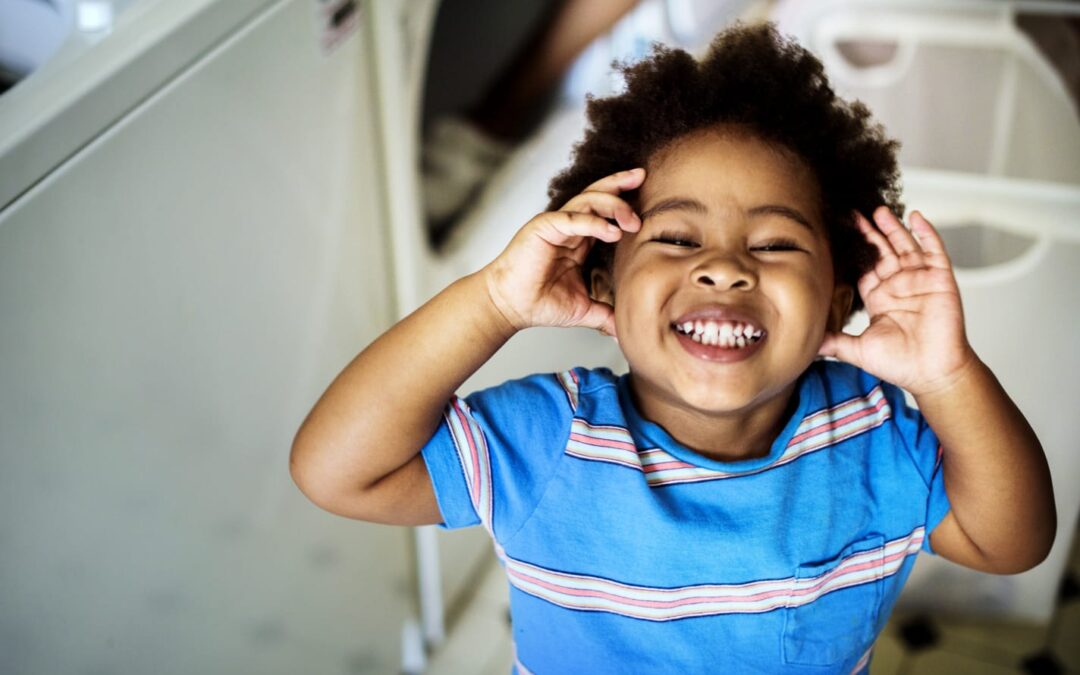
Baby teeth do more than make a child’s smile look cute, because they help children chew food, speak clearly, and hold space for permanent teeth as the mouth develops. These first teeth also give parents and dental professionals an early look at a child’s brushing habits, cavity risk, bite development, and overall oral health. A pediatric dentist can monitor baby teeth as they loosen and fall out, while also helping parents understand when tooth loss is normal and when it may need attention.
The Magical World of Baby Teeth
Baby teeth may be small, but they play an important role in a child’s growth, speech, chewing, and smile development. These first teeth help children bite food properly and learn how to form sounds as they begin speaking more clearly. The National Institute of Dental and Craniofacial Research explains that children’s oral health includes caring for baby teeth, permanent teeth, gums, and normal mouth development. Parents can make baby teeth feel exciting while still teaching children that daily brushing and dental visits matter.
- Baby teeth help children chew foods needed for growth and nutrition.
- Early teeth support speech development as children learn new sounds.
- Healthy baby teeth help guide permanent teeth as the mouth changes.
The Role of Baby Teeth
Baby teeth hold space for permanent teeth and help guide them into the right position as a child grows. Losing a baby tooth too early because of decay or injury can sometimes affect how nearby teeth shift in the mouth. The American Dental Association explains that baby teeth are important because they save space for adult teeth. A pediatric dentist can monitor tooth loss, eruption timing, cavities, and bite development so parents know what is normal and what may need attention.
- Baby teeth help maintain space for permanent teeth.
- Early tooth loss may need monitoring to protect future tooth alignment.
- Regular dental visits help track tooth growth and development.
Growing Up with Healthy Teeth
Healthy baby teeth need steady care through brushing, flossing support, tooth-friendly foods, and regular dental checkups. Parents can help children brush gently along the gumline, limit sugary snacks, and drink water more often between meals. The CDC recommends brushing twice a day with fluoride toothpaste to help prevent cavities. Building these habits early can make dental care feel like a normal part of growing up instead of something children only think about when a tooth hurts.
- Brush baby teeth twice daily with the right amount of fluoride toothpaste.
- Help children floss when teeth begin touching each other.
- Schedule routine dental visits to check growth, cleaning habits, and cavity risk.

The Tooth Fairy’s Secret Message
The Tooth Fairy can be a fun way to help children feel proud of caring for their teeth. Small rewards, notes, or tooth charts can turn brushing, flossing, and dental visits into positive routines instead of stressful chores. The American Dental Association explains that children need help brushing until they have the hand skills to do it well on their own. Parents can use the Tooth Fairy tradition to remind children that clean teeth, healthy gums, and routine dental care all matter in pediatric dentistry.
- Use Tooth Fairy notes to praise good brushing and flossing habits.
- Turn lost teeth into simple reminders about daily oral care.
- Encourage children to ask questions about their teeth as they grow.
Saying Goodbye to Baby Teeth
Saying goodbye to baby teeth is a normal part of childhood growth. These teeth loosen as permanent teeth begin moving into place, and most children feel a mix of excitement, curiosity, and nervousness when that first tooth wiggles. The NIH MedlinePlus explains that permanent teeth begin replacing primary teeth at about age 6. A pediatric dentist can monitor tooth loss patterns and help parents understand whether a loose tooth is developing normally or needs attention.
- Let loose baby teeth come out naturally when possible.
- Watch for pain, swelling, bleeding, or a tooth that loosens after injury.
- Ask a pediatric dentist if tooth loss seems too early, too late, or unusual.
Treasuring Memories
Baby teeth can become sweet keepsakes, but they also tell part of a child’s dental development story. Parents may save memories through tooth charts, photos, notes, or a small keepsake box while still focusing on the care that protects each new permanent tooth. The National Institute of Dental and Craniofacial Research explains that caring for children’s oral health includes baby teeth, permanent teeth, gums, and proper mouth development. These memories can help children feel proud of growing up while learning that every stage of their smile deserves care.
- Create a tooth chart to track when baby teeth fall out.
- Use keepsakes as a fun way to talk about brushing and dental visits.
- Celebrate each lost tooth while helping children care for the permanent teeth coming in.

Key Takeaways on Baby Teeth
Baby teeth play an important role in chewing, speech development, smile growth, and making room for permanent teeth. Parents can make tooth loss feel fun through Tooth Fairy traditions, tooth charts, and keepsakes while still teaching children that daily care matters. A pediatric dentist can help monitor baby teeth, check eruption timing, prevent cavities, and guide families when tooth loss seems too early, too late, or painful.
- Baby teeth help children chew food, speak clearly, and develop healthy oral habits.
- Primary teeth hold space for permanent teeth as the mouth grows.
- Daily brushing, flossing support, water, and tooth-friendly foods help protect baby teeth.
- The Tooth Fairy tradition can encourage children to feel proud of their dental care.
- Regular visits with a pediatric dentist help parents track growth, tooth loss, and cavity risk.
Frequently Asked Questions About Baby Teeth
Why are baby teeth important if they fall out?
Baby teeth help children chew, speak, smile, and hold space for permanent teeth. They also help guide adult teeth into better positions as the mouth develops.
When do children usually start losing baby teeth?
Many children begin losing baby teeth around age 6, although timing can vary. A pediatric dentist can check whether tooth loss is happening in a normal pattern.
Should parents pull a loose baby tooth?
Parents should usually let a loose baby tooth come out naturally. Pain, swelling, bleeding, or a loose tooth caused by injury should be checked by a pediatric dentist.
Can cavities in baby teeth affect permanent teeth?
Cavities in baby teeth can cause pain, infection, and early tooth loss. Early loss may affect spacing for permanent teeth, so baby teeth still need careful dental care.
How can the Tooth Fairy help with dental habits?
The Tooth Fairy can make tooth loss feel exciting while reinforcing good brushing, flossing, and dental visit habits. Notes, charts, or small rewards can help children feel proud of caring for their teeth.
- About the Author
- Latest Posts
Dr. Jason Parker, a distinguished dentist based in New Orleans, was honored with the New Dentist Award by the Louisiana Dental Association in 2008 for his contributions to both the dental profession and the community. With a background in biology and business administration, Dr. Parker has been in private practice since 2001 and specializes in pediatric dentistry